

The Complete Pollution Protection Guidebook (Air, Water & Food): Safeguarding Your Health and Your Family’s Wellbeing
You might be staying in Delhi or any where in the world , here is basic must do guide to protect against pollution . Some pollution you might be…
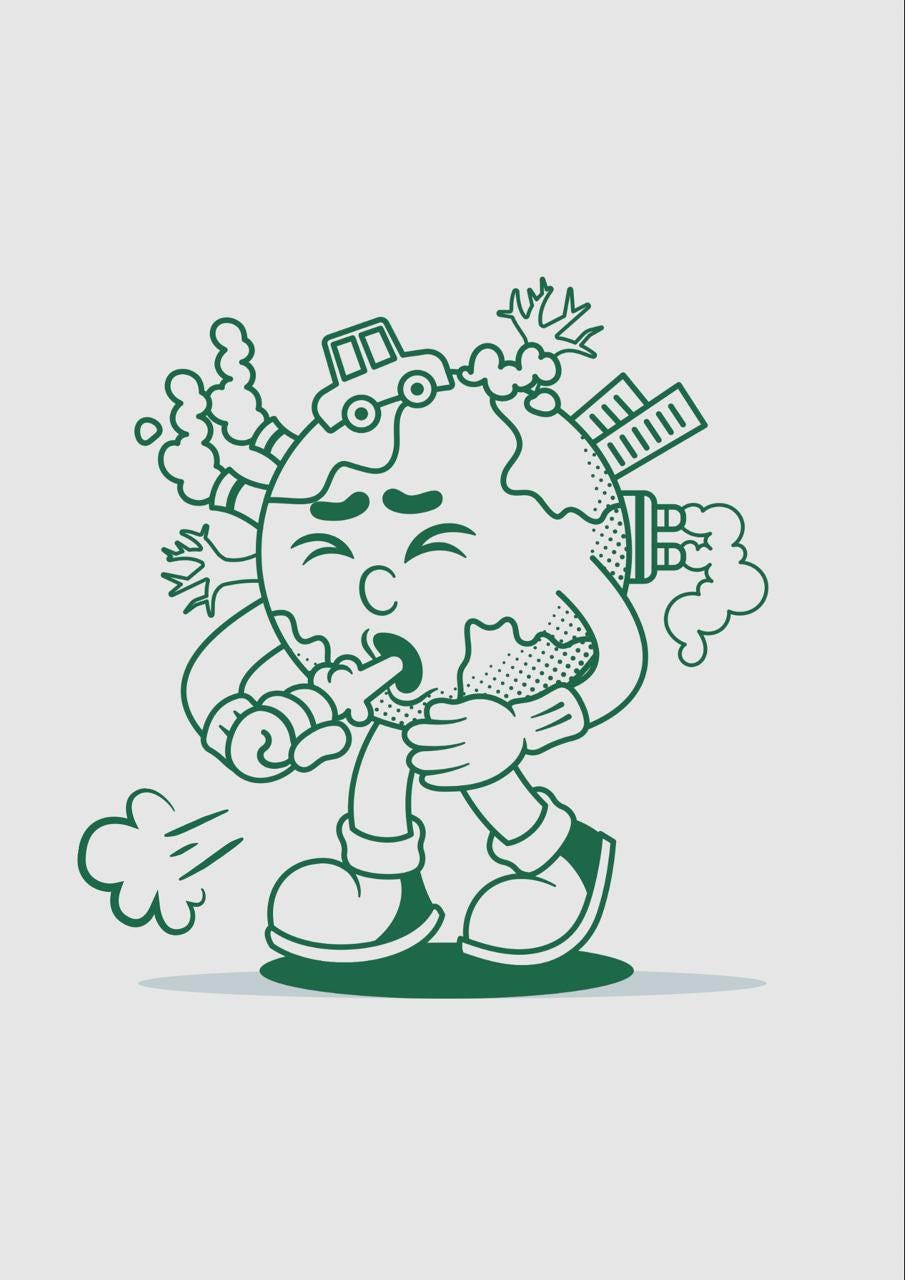
The Complete Pollution Protection Guidebook (Air, Water & Food): Safeguarding Your Health and Your Family’s Wellbeing
Every year, cities around the world—from Delhi to Beijing, from Los Angeles to London—witness air quality plummet to hazardous levels. But pollution isn’t just an outdoor problem limited to smoggy skies. It infiltrates our water sources, contaminates our food, and pervades our homes. While we may not be able to immediately change government policies or industrial practices, we have considerable power to protect ourselves and our loved ones through informed, practical actions.
This comprehensive guide provides evidence-based strategies to safeguard against pollution in all its forms—air, water, and food—wherever you live.
Understanding Your Enemy: The Pollution Triangle
Before diving into protection strategies, it’s essential to understand what you’re protecting against. Pollution affects human health through three primary pathways:
Air Pollution includes fine particulate matter (PM2.5 and PM10), nitrogen dioxide (NO₂), sulfur dioxide (SO₂), carbon monoxide (CO), ozone (O₃), and volatile organic compounds (VOCs). These pollutants can penetrate deep into lungs, enter the bloodstream, and reach vital organs including the brain.
Water Pollution encompasses heavy metals (lead, arsenic, cadmium, mercury), pesticides, industrial chemicals, microorganisms, and pharmaceutical residues that contaminate drinking water sources.
Food Contamination involves pesticide residues on produce, heavy metals accumulated in crops grown in contaminated soil, and pollutants from wastewater irrigation affecting the food chain.
Part 1: Defending Against Air Pollution Indoor Air Quality: Your Primary Defense
Your home should be your sanctuary from pollution, yet indoor air can be 2-5 times more polluted than outdoor air. Creating a clean indoor environment is your first line of defense.
- Air Purification Systems
HEPA Filters: The Gold Standard
High-Efficiency Particulate Air (HEPA) filters remove 99.97% of airborne particles as small as 0.3 micrometers. Medical-grade H13 and H14 filters achieve even higher efficiency rates of 99.95% and 99.995% respectively.
Effectiveness: Studies demonstrate that HEPA air purifiers can reduce indoor PM2.5 levels by 38-66% when properly deployed. The most effective setup uses three machines with medium airflow settings, achieving up to 56% improvement in indoor air quality.
Practical Implementation:
· Choose purifiers with Clean Air Delivery Rate (CADR) equal to at least two-thirds of your room’s square footage · Run air purifiers 24/7 on moderate settings in primary living spaces—bedrooms, living rooms, and home offices · Position units strategically: away from walls (at least 6 inches), near pollution sources, and in rooms where family members spend most time · Close windows during high pollution hours while running purifiers · Replace filters according to manufacturer specifications—typically every 6-12 months depending on usage and pollution levels
Budget Considerations: If commercial air purifiers are cost-prohibitive, a temporary solution involves attaching a high-grade furnace filter to a box fan. While less efficient, this provides some filtration capability.
- Ventilation Strategy
Ventilation requires intelligent timing based on outdoor air quality conditions.
When AQI is Good (0-50):
· Open windows and doors for cross-ventilation · Allow 5-10 minutes of fresh air exchange multiple times daily · Use this opportunity to ventilate bedrooms, bathrooms, and kitchens
When AQI is Poor (150+):
· Keep all windows and doors closed · Seal gaps around doors and windows with weather stripping · Create positive pressure inside by running exhaust fans minimally · Rely on air purifiers for air circulation
Kitchen and Bathroom Ventilation: Cooking generates significant indoor pollution, including PM2.5, nitrogen dioxide, and carbon monoxide.
· Use range hoods or exhaust fans ducted to outdoors every time you cook · Position stoves near windows for better pollutant dispersal · Reduce high-heat cooking methods like frying and broiling during high pollution days · Keep exhaust systems running for 15-20 minutes after cooking 3. Indoor Pollution Source Control
Eliminate or Reduce:
· Smoking indoors—absolutely prohibited · Incense sticks and candles during high pollution periods · Harsh chemical cleaners—switch to vinegar, baking soda, and mild soap solutions · Gas stoves—consider switching to electric or induction cooktops, which produce fewer indoor pollutants
Maintain:
· HVAC systems with regular filter changes [19] · Clean indoor surfaces with damp cloths rather than dry dusting, which resuspends particles · Vacuum using HEPA-filter equipped vacuums at least twice weekly Personal Protection: Masks and Respirators
When outdoor exposure is unavoidable, proper respiratory protection becomes essential.
Understanding Mask Effectiveness
N95/N99 Respirators:
· N95 masks filter at least 95% of PM2.5 particles; N99 filters 99% · Most effective protection against particulate pollution · Proper fit is crucial—masks must seal tightly around nose and mouth without gaps · Replace when breathing becomes difficult or after manufacturer-specified use hours
Surgical and Cloth Masks:
· Surgical masks provide 56-83% filtration efficiency · Cotton cloth masks offer 40-42% protection · Better than no protection, but significantly less effective than N95/N99 · Cannot filter gaseous pollutants like nitrogen dioxide or ozone
Important Note: No mask provides 100% protection due to face seal imperfections. Masks with valves may offer better breathability but provide less protection to others.
When to Wear Masks:
· Whenever AQI exceeds 150 (unhealthy for sensitive groups) · During outdoor exercise or physical activity in polluted areas · In traffic-congested areas or near industrial zones · Children, elderly, pregnant women, and those with pre-existing respiratory conditions should wear masks even at AQI 100+
Exercise Considerations: Wearing masks during vigorous exercise can increase breathing resistance and reduce oxygen intake. On days when AQI exceeds 200, consider:
· Moving workouts indoors to air-purified spaces · Reducing exercise intensity and duration · Exercising during midday when pollution levels are typically lower · Avoiding high-traffic areas completely Behavioral Modifications Monitor Air Quality Daily
Use reliable apps and websites to track real-time AQI:
· AirVisual (IQAir): Covers 500,000+ locations globally with real-time data, forecasts, and health recommendations · AQI.in : Provides comprehensive Indian air quality data with parameter-wise breakdowns · AirNow: Official EPA app for US, Canada, and Mexico with current and forecast data · CPCB/SAFAR: Official Indian government monitoring platforms
Reduce Outdoor Exposure
Time Your Activities:
· Pollution peaks during early morning (6-9 AM) and evening rush hours (6-9 PM) · Plan outdoor activities during midday when dispersal is better · Avoid exercising near busy roads during any time
Route Planning:
· Walk on side streets rather than main roads · Avoid industrial areas and construction sites · Use pollution-aware navigation apps when available
For Vulnerable Groups: Children under 5, adults over 65, pregnant women, and individuals with asthma, COPD, or cardiovascular conditions are at heightened risk.
Additional Precautions:
· Limit outdoor time to less than 4 hours on very poor AQI days · Ensure children wear properly fitted masks during outdoor activities · Monitor symptoms: persistent cough, breathlessness, chest tightness, or eye irritation warrant medical attention Creating a Clean Room
During severe pollution episodes (AQI > 300), establish a designated clean room in your home.
Setup:
- Choose a bedroom with attached bathroom 2. Seal all windows and doors with weather stripping 3. Install a high-quality HEPA air purifier (properly sized for the room) 4. Keep the door closed except for entry/exit 5. Avoid bringing outdoor clothes, shoes, and bags into this space 6. Do not use any fragrances, candles, or incense 7. Use this space for sleeping and as a refuge during peak pollution hours Part 2: Protecting Against Water Pollution
Water safety is fundamental to health, yet millions lack access to clean drinking water. Household water treatment is your most practical defense.
Understanding Water Contamination
Common contaminants include:
· Microbiological: Bacteria (E. coli), viruses, parasites · Chemical: Arsenic, lead, mercury, cadmium, fluoride, nitrates, pesticides · Physical: Sediment, turbidity, color
Indian groundwater, particularly in regions with industrial or agricultural activity, often contains elevated levels of arsenic, fluoride, nitrates, and heavy metals.
Household Water Treatment Methods 1. Boiling
Effectiveness: Kills 99.99% of bacteria, viruses, and parasites
Method:
· Bring water to rolling boil for 1 minute (3 minutes at elevations above 6,500 feet) · Allow to cool and store in clean, covered containers · Limitation: Does not remove chemical contaminants, heavy metals, or improve taste 2. Reverse Osmosis (RO) Systems
Effectiveness: Removes up to 99% of dissolved salts, heavy metals (arsenic, lead, mercury, cadmium), pesticides, fluoride, nitrates, and microorganisms
How It Works:
· Forces water through semi-permeable membrane with pores of 0.0001 microns · Multiple filtration stages: sediment filter → activated carbon filter → RO membrane → post-carbon polishing
Advantages:
· Comprehensive contaminant removal · Improves taste and odor · Low maintenance (membrane replacement every 2-3 years) · No chemicals required
Considerations:
· Produces wastewater (typically 3-4 liters wasted per liter purified) · Removes beneficial minerals along with contaminants · Requires electricity or water pressure · Regular filter and membrane maintenance essential
Recommended for: Areas with high TDS (Total Dissolved Solids), heavy metal contamination, or industrial pollution.
- UV Purification
Effectiveness: Kills 99.99% of microorganisms
Limitations:
· Does not remove dissolved chemicals, heavy metals, or improve taste · Requires pre-filtration to remove sediment · Needs electricity
Best Used: In combination with sediment and activated carbon filters, suitable for microbiologically contaminated water with low chemical pollution.
- Activated Carbon Filters
Effectiveness: Removes chlorine, pesticides, VOCs, improves taste and odor
Limitations: Does not remove dissolved salts, heavy metals, or microorganisms effectively
Best Used: As pre-treatment stage in multi-barrier systems or for water already treated by municipal systems.
- Multi-Barrier Approach
The most effective household water treatment combines multiple methods:
- Sediment filter → removes dirt, rust, suspended particles 2. Activated carbon → removes chlorine, pesticides, VOCs, improves taste 3. RO membrane (if needed for heavy chemical contamination) → removes dissolved contaminants 4. UV sterilization → final microbial barrier Water Testing
Test Your Water Annually:
· Municipal water consumers: Test for residual chlorine, pH, TDS, and bacterial contamination · Borewell/tubewell users: Test for arsenic, fluoride, nitrates, iron, hardness, bacterial contamination, and pesticides if agricultural area · Professional laboratory testing costs ₹1,000-5,000 depending on parameters
WHO Guidelines for Key Contaminants:
· Arsenic: · Lead: · Fluoride: · Nitrate: · Cadmium: · Mercury: Storage and Handling · Store treated water in clean, covered, food-grade containers · Clean storage containers weekly with soap and water · Avoid storing water in open containers that can become mosquito breeding sites · Never store water in non-food-grade plastic containers Emergency Water Treatment
During disasters or when regular treatment fails:
· Boil water as first resort · Use water purification tablets (chlorine or iodine-based) following package instructions · Improvised solar disinfection (SODIS): Fill transparent plastic bottles with water, expose to direct sunlight for 6-8 hours Part 3: Food Safety and Contamination Prevention
Food contamination with pesticides and heavy metals poses serious health risks, particularly in regions with intensive agriculture and industrial pollution.
Understanding Food Contamination Pathways
Pesticide Residues: Modern agriculture relies heavily on chemical pesticides. Studies show 67-100% of fruits and 40-60% of vegetables in markets exceed Maximum Residue Limits (MRLs).
Heavy Metal Accumulation: Crops irrigated with wastewater or grown in contaminated soil accumulate arsenic, cadmium, lead, mercury, and chromium. Rice, wheat, and leafy vegetables are particularly susceptible.
Washing and Preparation Methods For Pesticide Removal
Baking Soda Wash (Most Effective):
- Mix 1 teaspoon baking soda in 2 cups water 2. Soak produce for 12-15 minutes (5 minutes for delicate items like berries) 3. Gently scrub firm produce 4. Rinse thoroughly under running water 5. Pat dry before storage
Scientific Evidence: Studies show baking soda removes surface pesticides more effectively than plain water or commercial produce washes, achieving 62-77% reduction in pesticide residues.
Running Water Method:
· Hold produce under flowing tap water · Rub soft produce like grapes while rinsing · Scrub firm produce (potatoes, apples, cucumbers) with clean brush · More effective than dunking in static water
Additional Methods:
· Vinegar solution: 1 part vinegar to 3 parts water, soak 10 minutes · Salt water: 1 teaspoon salt per liter water · Blanching: Briefly immersing vegetables in boiling water removes 43-77% of residues but also reduces nutrients
Peeling: Removes most surface residues but also removes fiber, vitamins, and minerals concentrated in skin. Reserve for heavily contaminated produce.
What NOT to Do:
· Never use soap, detergent, or chemical cleaners on produce—these leave harmful residues · Avoid soaking delicate berries too long—they absorb water and lose flavor For Heavy Metal Reduction
Washing Limitations: Heavy metals absorbed into plant tissues cannot be removed by washing. However, surface contamination from dust and soil can be reduced.
Strategies:
- Thorough washing and scrubbing removes surface soil containing heavy metals 2. Peeling removes outer layers where metals concentrate 3. Trimming outer leaves of leafy vegetables 4. Cooking methods: Boiling and discarding water can remove some water-soluble heavy metals Smart Shopping Strategies
Choose Wisely:
· Organic produce: Studies show mixed results—some organic produce has fewer pesticides, but may have similar or higher heavy metal levels depending on soil quality · Local, seasonal produce: Shorter transport times mean less post-harvest pesticide treatment · Reputable vendors: Avoid roadside vendors near highways and industrial areas where produce may have absorbed atmospheric pollutants · Diversify sources: Don’t buy all produce from single source to minimize cumulative exposure
High-Risk Foods (Prioritize Careful Washing):
· Strawberries, apples, grapes, leafy greens: High pesticide residue rates · Rice, wheat from industrial/mining areas: Heavy metal accumulation · Vegetables from wastewater-irrigated areas: Multiple contaminants
Lower-Risk Options:
· Produce with thick, inedible peels (bananas, oranges, pomegranates) · Vegetables from verified organic farms with soil testing certificates · Home-grown produce from tested soil Testing and Certification
Food Testing:
· Advanced laboratories can test for pesticide residues and heavy metals using HPLC, GC-MS, and ICP-MS techniques · Cost: ₹2,000-10,000 depending on parameters · Consider testing if sourcing from questionable areas
Soil Testing for Home Gardens: Test soil annually for heavy metals, especially if near:
· Industrial areas · Mining sites · Major highways · Former agricultural land with heavy pesticide use Part 4: Nutrition for Pollution Defense
While external protection measures are essential, internal defenses through nutrition significantly reduce pollution-induced harm.
The Science of Nutritional Protection
Air pollution generates free radicals that cause oxidative stress, inflammation, and cellular damage throughout the body. Antioxidant-rich foods neutralize these free radicals, while anti-inflammatory nutrients reduce pollution-triggered inflammation.
Key Nutrients and Food Sources 1. Vitamin C (Ascorbic Acid)
Function: Powerful antioxidant that neutralizes free radicals in lungs and blood
Daily Target: 75-90 mg (higher during pollution exposure)
Best Sources:
· Citrus fruits (oranges, lemons, grapefruit) · Bell peppers (red, yellow, green) · Strawberries, kiwi, guava · Broccoli, Brussels sprouts · Tomatoes · Indian gooseberry (amla)—one of the richest sources 2. Vitamin E (Tocopherol)
Function: Protects cell membranes from oxidative damage, prevents lung tissue damage
Daily Target: 15 mg
Best Sources:
· Almonds, sunflower seeds, hazelnuts · Spinach, kale, Swiss chard · Avocado · Vegetable oils (sunflower, olive, mustard) · Pumpkin, sweet potato 3. Beta-Carotene (Vitamin A Precursor)
Function: Supports respiratory health, protects lung tissues, detoxifies respiratory system
Best Sources:
· Carrots, sweet potatoes · Dark leafy greens (spinach, kale, methi) · Pumpkin, butternut squash · Mangoes, papaya · Tomatoes 4. Omega-3 Fatty Acids
Function: Powerful anti-inflammatory action, reduces pollution-induced airway inflammation
Best Sources:
· Fatty fish (salmon, mackerel, sardines, tuna)—if from non-contaminated sources · Walnuts · Flaxseeds, chia seeds · Hemp seeds · Algae-based supplements for vegetarians 5. Zinc
Function: Essential for T-cell function, supports immune response
Daily Target: 8-11 mg
Best Sources:
· Pumpkin seeds, cashews · Chickpeas, lentils, kidney beans · Whole grains, wheat germ · Eggs, dairy products · Lean meats, seafood 6. Selenium
Function: Works with Vitamin E to prevent cellular oxidation
Daily Target: 55 mcg
Best Sources:
· Brazil nuts (richest source—just 1-2 daily) · Sunflower seeds · Mushrooms · Whole wheat, oats · Fish, poultry 7. Vitamin B6 (Pyridoxine)
Function: Supports immune cell production
Best Sources:
· Chickpeas, beans, legumes · Bananas, potatoes · Chicken, fish · Fortified cereals · Nuts Anti-Pollution Diet Plan
Daily Framework:
Morning (Within 1 hour of waking):
· 1 glass warm water with lemon and turmeric · Herbal tea: Tulsi-ginger-turmeric infusion
Breakfast:
· Whole grain options: oats, whole wheat, millets · Fresh seasonal fruit (citrus, berries, or papaya) · Handful of nuts (almonds, walnuts) · Optional: Green smoothie with spinach, banana, flaxseeds
Mid-Morning:
· Fresh carrot or beetroot juice · Or fresh fruit
Lunch:
· Large portion of colorful vegetables (at least 3 colors) · Leafy greens (spinach, kale, methi) · Whole grain (brown rice, quinoa, whole wheat roti) · Lean protein (dal, legumes, or fish from clean sources) · Small serving of fermented food (curd, pickles) for gut health
Evening:
· Herbal tea (tulsi, ginger, green tea) · Handful of seeds (pumpkin, sunflower)
Dinner:
· Vegetable soup or salad · Grilled or steamed vegetables · Whole grain · Light protein
Before Bed:
· Turmeric milk (haldi doodh) with black pepper Foods to Avoid or Minimize
Pro-Inflammatory Foods:
· Refined sugar and high-sugar foods · Trans fats and excessive saturated fats · Processed and ultra-processed foods · Excessive alcohol · High-sodium packaged foods
These foods increase oxidative stress and inflammation, worsening pollution’s effects.
Hydration
Water Intake: Drink 8-10 glasses (2-3 liters) of clean water daily
Benefits:
· Flushes toxins from body · Maintains mucosal clearance in respiratory tract · Supports detoxification pathways · Keeps airways moist and functional
Enhanced Hydration:
· Herbal teas (tulsi, ginger, green tea) · Coconut water · Fresh vegetable juices · Avoid sugary drinks and excessive caffeine Part 5: Protecting Vulnerable Groups
Certain populations face disproportionate risks from pollution and require additional protective measures.
Children (Under 18, Especially Under 5)
Why More Vulnerable:
· Higher breathing rate (inhale more pollutants per body weight) · Developing organs more susceptible to damage · Spend more time outdoors · Closer to ground level where heavier pollutants concentrate · Longer lifetime exposure potential
Additional Protections:
· Mandatory N95 masks outdoors when AQI > 150 · Limit outdoor play during high pollution hours · Schools should shift to hybrid mode when AQI > 300 · Ensure air purifiers in children’s bedrooms and study areas · Regular health monitoring for respiratory symptoms · Emphasize antioxidant-rich diet with adequate vitamins and minerals Pregnant Women
Risks:
· Pollution exposure linked to premature birth, low birth weight, stillbirth · Increased risk of gestational diabetes and preeclampsia · Pollution crosses placenta, affecting fetal development · Higher rates of maternal anxiety and depression
Additional Protections:
· Minimize outdoor exposure during high pollution · N95 masks mandatory for essential outdoor activities · Air purifiers in bedroom—run 24/7 · Enhanced nutritional support with focus on folate, iron, omega-3, and antioxidants · Regular prenatal monitoring with pollution exposure history · Avoid areas near traffic, industry, or construction sites · Regular mental health check-ins Elderly (65+)
Why More Vulnerable:
· Age-related decline in lung and heart function · Reduced immune response · Often have pre-existing conditions (COPD, heart disease, diabetes) · Pollution accelerates cognitive decline and increases dementia risk
Additional Protections:
· Strict adherence to AQI-based activity modifications · Indoor air purification essential · Regular health monitoring for cardiovascular and respiratory changes · Medications kept accessible for respiratory/cardiac emergencies · Enhanced nutritional support · Monitor for cognitive changes and mood alterations linked to pollution Individuals with Pre-Existing Conditions
High-Risk Conditions:
· Asthma, COPD, other respiratory diseases · Cardiovascular disease, hypertension · Diabetes · Immunocompromised conditions
Additional Protections:
· Pollution exposure tracking alongside symptom diary · Have rescue medications readily available · Nebulizers and oxygen concentrators at home if prescribed · Emergency action plan shared with family members · More stringent AQI thresholds for activity modification · Regular consultation with healthcare providers about pollution adaptation Part 6: Workplace Protection
Indoor office air quality significantly impacts health and productivity, yet it’s often overlooked.
Common Office Pollutants
Sources:
· Outdoor pollution infiltrating through HVAC systems · Office equipment (printers, copiers) emitting VOCs and particulates · Cleaning chemicals · Poor ventilation · CO₂ buildup from occupants · Formaldehyde from furniture and carpets · Mold from poor humidity control Individual Actions
At Your Desk:
· Position desk away from printers and copiers · Use personal air purifier if permitted (USB-powered models available) · Keep indoor plants (if office policy allows)—spider plants, snake plants, peace lilies · Regular hand washing before eating · Wipe desk surfaces with damp cloth to trap particles
Work Schedule Modifications:
· Request remote work on severe pollution days (AQI > 300) · Advocate for staggered schedules to reduce commute during peak traffic · Take walking breaks during midday when pollution is lower · Avoid outdoor meetings during high pollution periods Employer Responsibilities
Organizations Should:
· Install commercial-grade HEPA filtration systems · Maintain HVAC systems with quarterly filter changes · Conduct annual indoor air quality assessments · Implement air quality monitoring systems · Develop pollution response protocols (remote work triggers, activity modifications) · Provide N95 masks for employees who must work outdoors · Create designated clean air zones · Educate employees about air quality and protective measures · Consider LEED or WELL Building certification standards Part 7: Emergency Response Plan
When pollution reaches hazardous levels (AQI > 400), normal life must adapt.
Stage-Wise Graded Response (Based on Delhi GRAP)
Stage I: Moderate to Poor (AQI 201-300)
· Monitor AQI hourly · Reduce outdoor activities · Masks for sensitive groups · Run air purifiers continuously · Increase hydration and antioxidant intake
Stage II: Very Poor (AQI 301-400)
· All outdoor exercise cancelled · Mandatory masks for any outdoor exposure · Schools advised hybrid mode for younger children · Close construction sites · Ban diesel generators (except emergency services) · Traffic management measures · Frequent road water sprinkling
Stage III: Severe (AQI 401-450)
· Ban on construction and demolition activities · Restrictions on BS-III petrol and BS-IV diesel vehicles · Schools hybrid mode mandatory for Classes 1-5 · Elderly and children advised to stay indoors completely · Medical facilities on high alert · Emergency pollution clinics operational
Stage IV: Severe+ Emergency (AQI > 450)
· Consider temporary evacuation if possible · All non-essential outdoor activities cancelled · Complete ban on truck entry (except essential commodities) · Consider odd-even vehicle scheme · Industrial operations curtailed · Possible school closures · Medical emergency preparedness Personal Emergency Kit
Essential Items:
· Box of N95/N99 masks (at least 20) · Spare air purifier filters · Emergency medications (bronchodilators, cardiac medications as prescribed) · Pulse oximeter to monitor oxygen saturation · Digital thermometer · Emergency contact numbers (doctor, ambulance, family) · 1-week supply of essential groceries · Bottled water reserve · Battery-powered or charged devices · List of symptoms requiring immediate medical attention Warning Signs Requiring Medical Attention
Seek Immediate Care If:
· Severe breathlessness or difficulty breathing at rest · Chest pain or pressure · Persistent high fever with cough · Confusion or altered consciousness · Blue lips or fingertips (hypoxia) · Severe asthma attack not responding to rescue inhaler · Irregular heartbeat or palpitations Part 8: Long-Term Health Monitoring
Pollution exposure is a long-term health risk requiring proactive monitoring.
Annual Health Assessments
Recommended Tests:
· Pulmonary Function Tests (PFT): Measures lung capacity and function—critical for tracking pollution-induced respiratory decline · Cardiac Evaluation: ECG, echocardiogram if at risk for cardiovascular disease · Complete Blood Count: Monitoring for pollution-linked changes · Liver and Kidney Function Tests: These organs filter pollutants · Chest X-ray: If respiratory symptoms present · Heavy Metal Testing: Blood or urine tests for lead, mercury, arsenic, cadmium if high exposure suspected
For Children:
· Growth and developmental monitoring · Cognitive and behavioral assessments (pollution affects brain development) · Regular respiratory health checks Symptom Tracking
Maintain a Health Diary:
· Daily AQI levels · Respiratory symptoms (cough, wheeze, breathlessness) · Cardiovascular symptoms (chest pain, palpitations, fatigue) · Neurological symptoms (headaches, cognitive fog, dizziness) · Eye, nose, and throat irritation · Sleep quality · Energy levels
This helps identify patterns and triggers, enabling better protection strategies.
Conclusion: Your Action Plan
Pollution is a complex, multi-faceted challenge, but you are not powerless. By implementing these evidence-based strategies, you can significantly reduce your family’s exposure and health risks:
Immediate Actions (Start Today):
- Download an AQI monitoring app and check daily 2. Assess your home’s indoor air quality and create a clean room plan 3. Purchase or make masks appropriate for your family members 4. Conduct water quality assessment and implement appropriate treatment 5. Learn proper produce washing techniques
Short-Term Actions (This Week):
- Research and purchase HEPA air purifiers for primary living spaces 2. Test your drinking water 3. Review and modify diet to include more antioxidant-rich foods 4. Establish family protocols for different AQI levels 5. Seal windows and doors, install weather stripping
Medium-Term Actions (This Month):
- Install water filtration system if testing reveals contamination 2. Establish regular cleaning and maintenance routines 3. Create designated clean zones in home 4. Discuss workplace air quality with employer 5. Schedule baseline health assessments for family members
Long-Term Actions (Ongoing):
- Annual water testing 2. Regular health monitoring 3. Continuous education on emerging pollution science 4. Community advocacy for cleaner air 5. Support and participate in pollution reduction initiatives
Remember: while individual action is crucial for immediate protection, collective action and policy change are essential for long-term solutions. Protect yourself today while working toward a cleaner tomorrow.
Your health is not negotiable. The air you breathe, the water you drink, and the food you eat are fundamental to life. Take control of what you can, starting now.
Disclaimer
The information contained in this guidebook is provided for general educational and informational purposes only. It is not intended as a substitute for professional medical advice, diagnosis, treatment, or legal advice. Although every effort has been made to ensure accuracy and reliability, results and safety may vary based on individual circumstances and local conditions. Readers should consult healthcare professionals or licensed experts for their specific needs or concerns.
Use of any recommendations or information is at your own risk. The author and publisher disclaim all liability for any injury, loss, or damage resulting from information contained in this guide, including but not limited to actions taken or reliance made by readers. No guarantee or warranty is provided regarding completeness, accuracy, or ongoing validity. By using this guide, you accept full responsibility for your actions and agree to hold the author and publisher harmless for any use of the information provided.
For urgent health issues or emergencies, seek immediate help from qualified professionals.